Tick and Flea Control for Pets: Effective Treatments, Natural Remedies, and Home Prevention

A single flea can become a household problem faster than most pet parents expect. Ticks are no less worrying, especially because they can attach quietly and stay hidden under fur, collars, ears, paws, and tails. The good news is that tick and flea control for pets becomes much easier when treatment, prevention, and home care work together.
Fleas and ticks are not just annoying. They can cause itching, skin infections, hair loss, anaemia in severe cases, and allergic reactions. Ticks may also spread serious diseases. In warm and humid conditions, including many parts of India during and after the monsoon, these parasites can stay active for long stretches of the year.
This guide covers practical treatments, prevention habits, natural remedies, and home cleaning tips to help keep pets comfortable and your home flea-free.

Why prevention matters more than panic treatment
Once fleas enter a home, they do not stay only on the pet. Adult fleas live on animals, but their eggs, larvae, and pupae can fall into carpets, sofa corners, bedding, floor cracks, and car seats. That is why treating only the pet often fails. The visible fleas are usually just one part of the problem.
Ticks behave differently. They wait in grass, shrubs, gardens, parks, and kennels, then attach to a passing animal. A pet can bring ticks indoors after a walk or a short visit to a grassy patch.
Preventing infestations helps in four big ways:
It protects your pet’s skin and comfort
Flea bites can trigger intense itching. Some pets develop flea allergy dermatitis, where even a few bites cause redness, scabs, and hair loss.
It reduces disease risk
Ticks can transmit infections. The exact risks vary by location, parasite species, and pet health, so a vet’s advice matters.
It saves time and money
A small prevention routine is easier than treating a full home infestation.
It protects other pets and people at home
Fleas can bite humans too, often around the ankles. Ticks may also attach to people after being brought indoors.
If your pet scratches often, chews at the tail base, shakes their head, has black specks in the coat, or seems tired after tick exposure, check closely and speak with a vet.
How to spot fleas and ticks early
Early detection makes treatment simpler. Make a quick check part of grooming, especially after walks, boarding, daycare, grooming visits, or time outdoors.
Common signs of fleas
Fleas move quickly, so you may not always see them. Look for:
Tiny dark insects jumping through the coat
Black pepper-like specks near the skin
Red bumps, scabs, or irritated patches
Excessive scratching, licking, or biting
Hair thinning near the tail, belly, thighs, or neck
To check for flea dirt, place the black specks on a damp white tissue. If they turn reddish-brown, it is likely digested blood from fleas.
Common places ticks hide
Ticks prefer warm, protected areas. Check:
Inside and around ears
Under the collar
Between toes
Around eyelids and lips
Under the tail
Armpits and groin
Along thick neck fur
Run your fingers slowly through the coat. A tick can feel like a small bump or seed stuck to the skin.
Effective treatments that actually work
The best treatment depends on your pet’s species, age, weight, health, lifestyle, and the severity of infestation. A puppy, kitten, senior pet, pregnant animal, or pet with liver, kidney, or neurological disease needs extra care. Always read labels and ask a veterinarian before using any product.

Veterinary spot-on treatments
Spot-on treatments are applied to the skin, usually between the shoulder blades or along the back where the pet cannot lick. Many products kill fleas, ticks, or both. Some also target other parasites.
They are popular because they are easy to use, but correct application matters. The liquid must reach the skin, not sit on the fur. Pets should not be bathed too soon before or after certain products, unless the label says it is safe.
A key warning: never use dog-only tick and flea products on cats. Some ingredients that dogs tolerate can be dangerous or even fatal for cats.
Oral tablets and chews
Oral flea and tick medicines are given by mouth, often as flavoured chews or tablets. They work through the bloodstream after a parasite bites. Many pet parents prefer them because there is no oily patch on the coat and no risk of washing off a topical product.
They may not suit every pet, especially animals with certain health conditions or medicine sensitivities. Your vet can help decide whether an oral option is suitable.
Tick and flea collars
Some collars release active ingredients over time and can give longer-lasting protection. Quality varies widely, so use reliable veterinary products rather than unknown or unlabelled collars.
The collar should fit snugly but not tightly. You should be able to place two fingers between the collar and the pet’s neck. Check for skin irritation, especially in pets with sensitive skin.
Shampoos and sprays
Flea and tick shampoos can kill parasites present on the animal at the time of bathing. They can be useful during an active infestation, but they usually do not offer long-term control unless the product specifically says so.
Sprays may help in certain cases, but use them with care. Avoid the eyes, nose, mouth, and open wounds. Keep pets from licking treated areas until dry, and use only species-appropriate products.
Safe tick removal
If you find a tick attached to your pet, remove it carefully.
Wear gloves if possible.
Use fine-tipped tweezers or a tick removal tool.
Grip the tick close to the skin.
Pull upward with steady pressure.
Do not twist, crush, burn, or apply oil to the tick.
Clean the bite area with a pet-safe antiseptic.
Wash your hands and disinfect the tool.
If the tick mouthparts remain in the skin, or the area becomes red, swollen, or painful, contact a vet.
Preventive measures that fit daily life
Prevention works best when it becomes routine rather than a one-time reaction after seeing fleas.
Keep pets on a vet-approved schedule
Most flea and tick products work for a set period. Missing doses creates gaps in protection. Mark reminders on your phone or pet calendar.
If your pet swims, gets bathed often, or spends time in grassy areas, ask your vet whether the product and schedule still fit.
Groom and inspect regularly
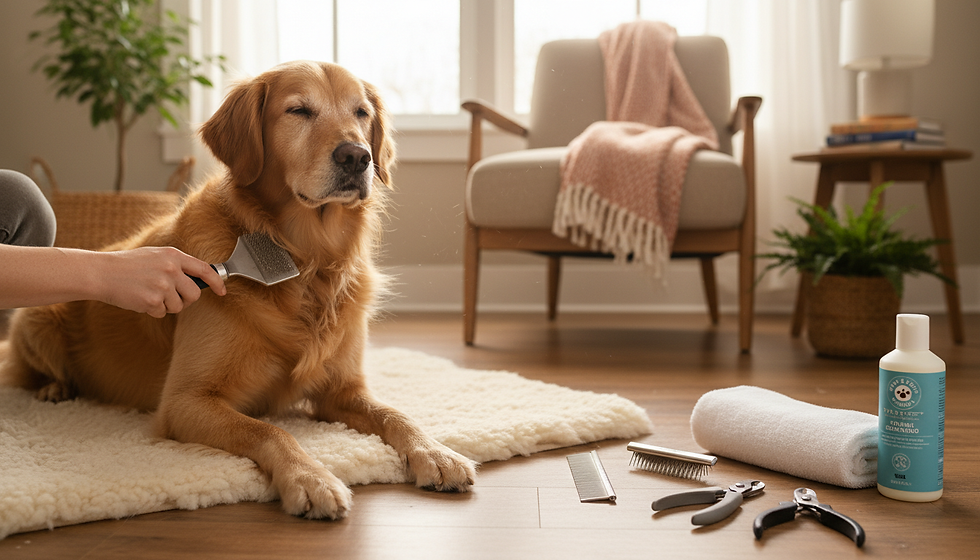
Short checks can prevent big problems. Long-haired pets may need extra attention because ticks and flea dirt hide more easily.
A weekly routine can include:
Brushing the coat
Checking ears, paws, belly, and tail base
Using a flea comb
Looking for redness, scabs, or hot spots
Checking collars, harnesses, and bedding
After outdoor walks, do a quicker tick check before your pet settles indoors.
Manage outdoor exposure
Pets need exercise and fresh air, but some areas carry higher parasite risk. Tall grass, thick shrubs, stray animal resting spots, and damp shaded corners can attract fleas and ticks.
Keep your garden trimmed. Remove piles of leaves, old mats, unused bedding, and debris. If your pet uses a terrace, balcony, or yard, clean resting spots often.
Natural remedies and what they can realistically do
Natural remedies are appealing because they feel gentler. Some can support a prevention plan, but they should not replace proven veterinary treatment during an infestation. Fleas multiply quickly, and ticks can carry disease, so slow or weak control can leave pets at risk.

Flea combing
A flea comb is one of the safest natural tools. It removes adult fleas, flea dirt, and loose debris. Dip the comb in soapy water between passes to trap fleas.
Combing is especially useful for kittens, puppies, senior pets, or sensitive animals when chemical use needs careful vet guidance. It is not enough for a heavy infestation, but it helps you monitor progress.
Regular bathing
A mild pet-safe bath can remove dirt, soothe skin, and drown some fleas. Use lukewarm water and a shampoo made for pets. Human shampoos can disrupt skin pH and cause dryness.
Bathing too often can irritate the skin, so do not overdo it. If your pet already has redness, wounds, or severe itching, ask a vet before bathing.
Neem-based products
Neem is commonly used in India in natural pest-control products. Some pet shampoos and sprays contain neem extracts. These may help repel insects to a degree, but their strength and safety depend on the formulation.
Do not apply raw neem oil directly without veterinary guidance. Concentrated oils can irritate skin, and pets may lick them.
Diatomaceous earth
Food-grade diatomaceous earth is sometimes used in homes to help dry out fleas. It must be used carefully because the dust can irritate the lungs of both pets and people.
Never apply it heavily to a pet’s coat. If used around the home, apply only a very light layer in targeted dry areas, keep pets away during application, and vacuum later. Avoid it if anyone in the home has asthma or breathing sensitivity.
Essential oils
Essential oils need special caution. Tea tree, eucalyptus, citronella, peppermint, clove, and many other oils can be risky for pets, especially cats. Even “natural” does not always mean safe.
Avoid applying essential oils directly to pets unless your vet recommends a specific pet-safe product. Diffusers can also bother animals with sensitive respiratory systems.
Natural methods can help with grooming, monitoring, and mild repelling, but active flea or tick infestations usually need proven treatment and home control.
How to keep your home flea-free
A clean home does not guarantee zero fleas, but consistent cleaning breaks the flea life cycle. The aim is to remove eggs, larvae, pupae, and adult fleas from places where pets rest.
Wash pet bedding often
Wash beds, blankets, cushion covers, soft toys, and removable crate mats regularly. Use hot water if the fabric allows, then dry thoroughly in sunlight or a dryer.
If bedding is old, torn, or heavily infested, replacing it may be easier than trying to rescue it.
Vacuum the right places
Vacuuming is one of the most useful home steps. Focus on:
Rugs and carpets
Sofa edges and under cushions
Corners and skirting boards
Under beds and furniture
Pet sleeping areas
Car seats if pets travel often
Dispose of vacuum dust quickly. If using a bag, seal and discard it. If using a canister, empty it outside and wash the container if possible.
Treat the home when needed
For heavy infestations, pet treatment alone may not be enough. You may need a home flea spray or professional pest control that is safe for pets. Follow all label directions, remove pets during treatment, and allow treated areas to dry fully before they return.
If you have fish tanks, birds, reptiles, or small mammals, be extra careful. Some sprays and fumes can harm them.
Keep all pets protected
If one pet has fleas, assume all dogs and cats in the home may be exposed. Treating only the itchy pet often leaves fleas on another animal, and the cycle continues.
Use products suited to each species and weight. A medicine for a large dog should never be split casually for a small dog or cat unless a vet directs it.
When to call the vet
Some situations need professional help quickly. Contact a veterinarian if:
A puppy or kitten has fleas
Your pet seems weak, pale, or unusually tired
Scratching causes wounds or bleeding
You find many ticks at once
A tick bite area becomes swollen or infected
Your pet develops fever, loss of appetite, limping, or unusual behaviour after tick exposure
Over-the-counter products cause drooling, vomiting, tremors, or skin burns
This article is for general information only. A veterinarian can recommend the safest treatment based on your pet’s health and local parasite risks.

A simple weekly tick and flea routine
A routine does not need to be complicated. Try this rhythm:
Once a day
Notice scratching, licking, or discomfort. Check quickly after walks in grass or parks.
Once a week
Brush your pet, use a flea comb, inspect tick hiding spots, and wash frequently used bedding.
Once a month or as directed
Give or apply preventive treatment on schedule. Check product labels and vet instructions.
Seasonally
Review parasite control before monsoon, boarding, travel, or moving to a new area.
Small habits make a big difference. The real goal is not only killing fleas and ticks after they appear, but making your pet and home a hard place for parasites to settle.
The takeaway for pet parents
Tick and flea control works best as a full plan: treat the pet, protect them on schedule, check their coat often, and clean the home environment. Natural remedies can support this plan, especially combing, bathing, and careful home care, but they are not a reliable stand-alone answer for serious infestations.
If you are unsure which product to use, ask your vet before guessing. The safest choice depends on whether your pet is a dog or cat, their age, weight, health, and daily routine.
Have you found a flea combing trick, home cleaning routine, or vet-approved preventive that works well for your pet? Share your experiences and tips with other pet parents. A practical suggestion from one home can save another family weeks of itching, cleaning, and worry.


Comments